ERF Newsletter November 25

Dear European rangers,

After a turbulent congress month, we now have weeks of getting back to normal and reorganising behind us. As the new ERF board, we have discussed our plans for future work and the conclusions we can draw from the 6th European Ranger Congress.

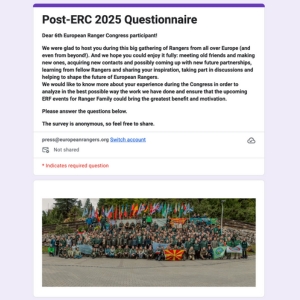
Valuable input came from you, the participants, via our ERC feedback form – it is still open, so take the opportunity to tell us what went well, what didn't, which topics were particularly relevant to you and which ones we should address in the future! Just click on the photo below.

I have also taken some time to reflect my goals and visions for the ERF as its new president and discussed them with our team. In particular, we need to strengthen our direct connection to you, the rangers on the ground, by interacting more closely with our members, the national ranger associations. More on this in my interview!

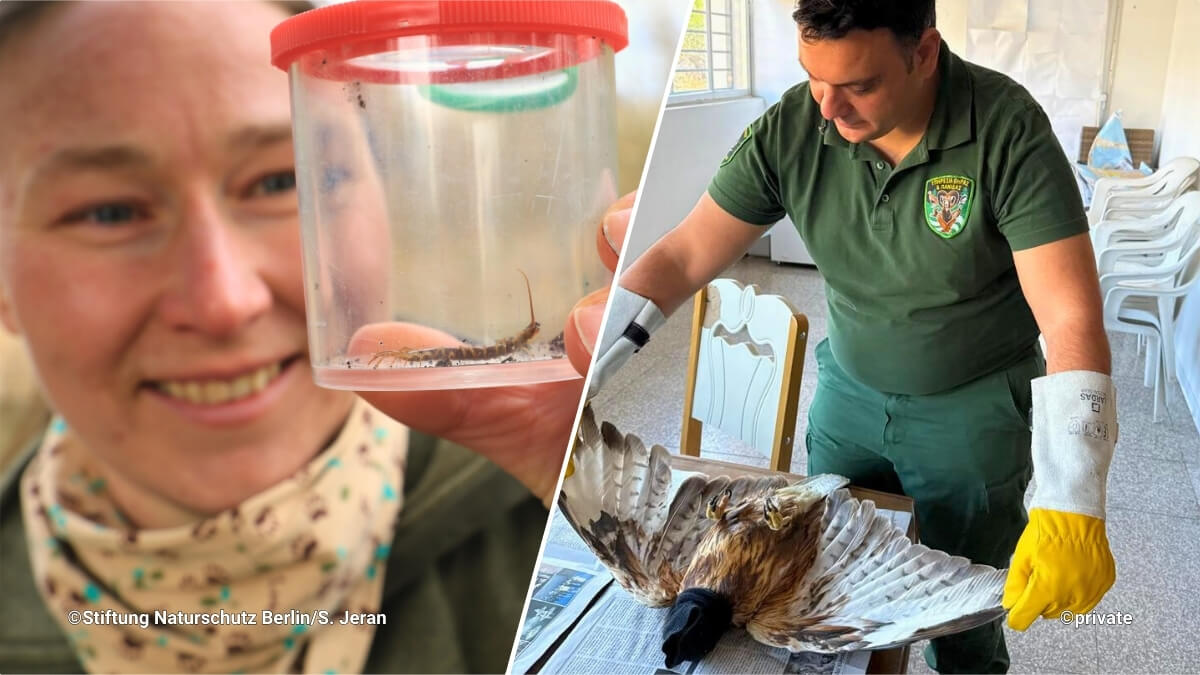
Our ‘Two Rangers, Two Projects’ format shows once again how different the conditions and habitats to be protected can be for our members. This time, we feature an urban ranger from Germany’s capital and a wildlife ranger from the island nation of Cyprus, who, despite all differences, work each day to moderate nature protection and human use.
 

Read also:
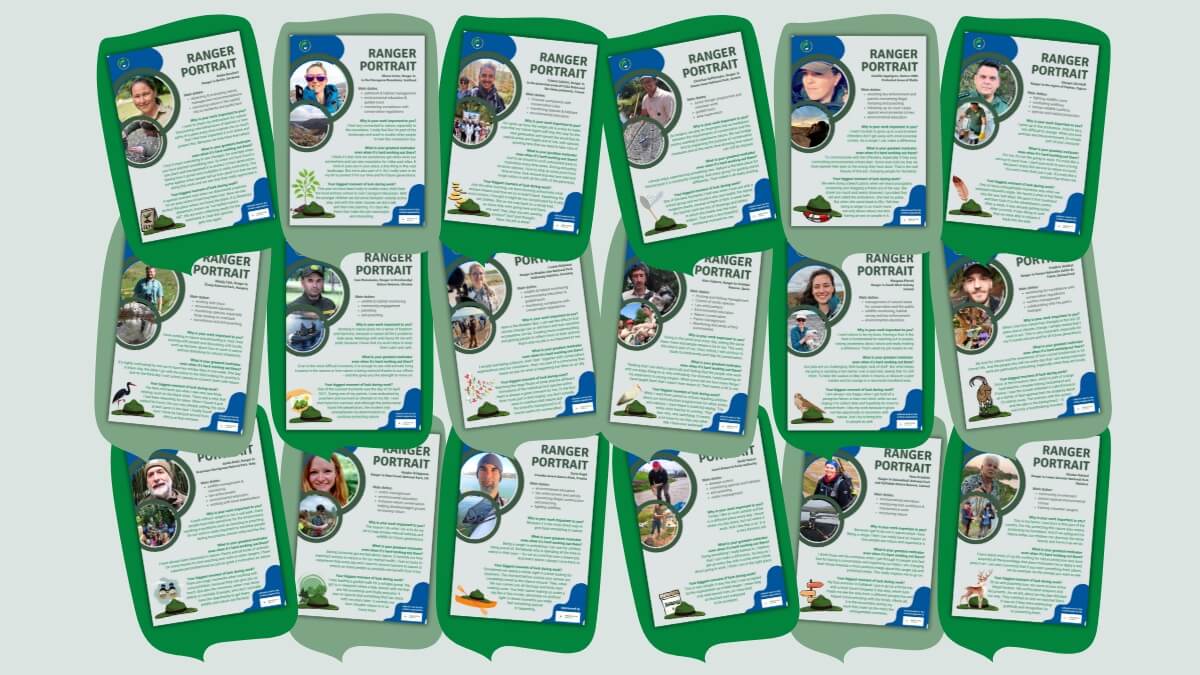
  • What drives European rangers on a very personal level, what motivates them to stand firm in the face of ever-growing challenges and what experiences from the field stick in their minds – find out in our about 40 Ranger Portraits!
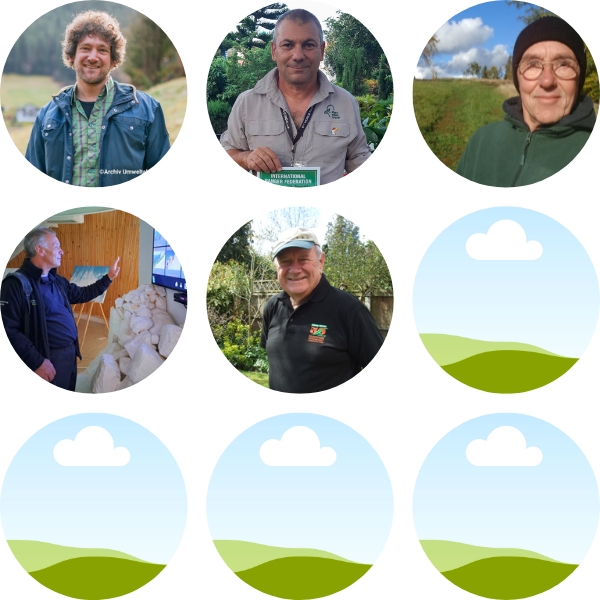
  • Meet our ERF Council – it is open to all former ERF board members with a purely advisory function, allowing us to benefit from their collective experience.
  • How does conservation impact locals? Learn more in the SOCIAT training course, designed to help conservation professionals consider the social impact of their work.


Enjoy the read!

Florin (Hombre) Halastauan, President of the ERF

Goals and vision of our new ERF President

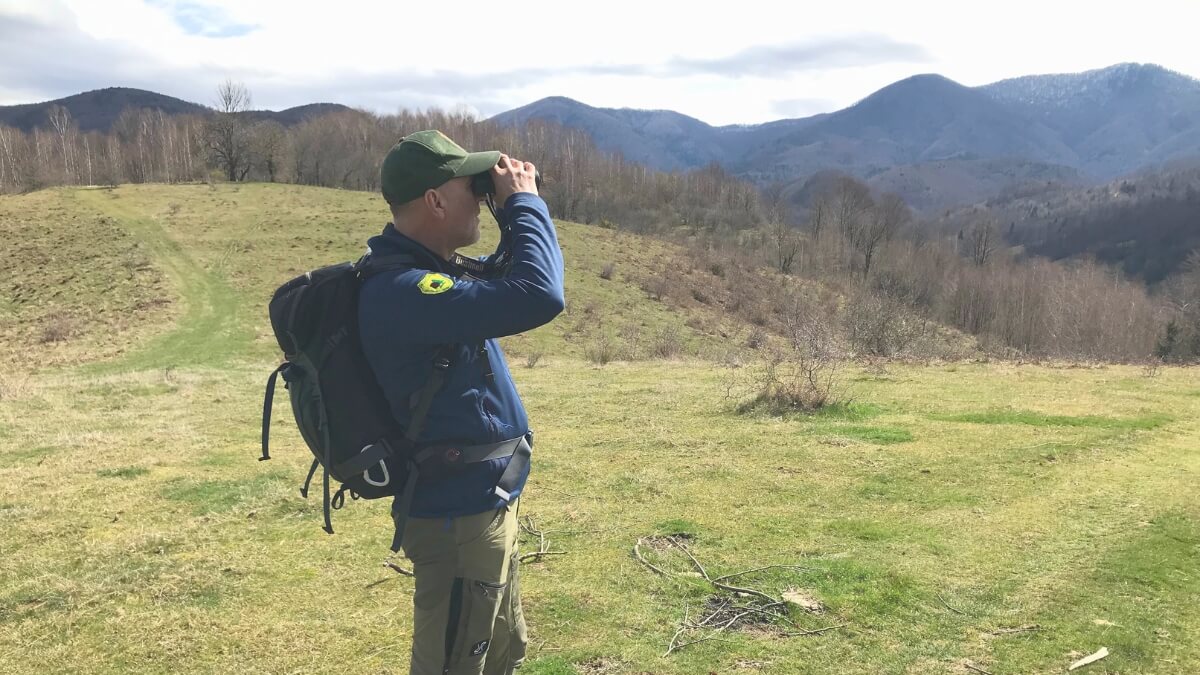
What concerns our members' rangers in Europe's highly diverse natural landscapes, and what do they require from us? To gather specific information on this by involving national ranger associations more closely and working together accordingly, but also to raise the profile of the ranger profession at EU level: The new ERF President Florin Halastauan explains in an interview what he stands for.

Urban rangering and fighting wildlife crime

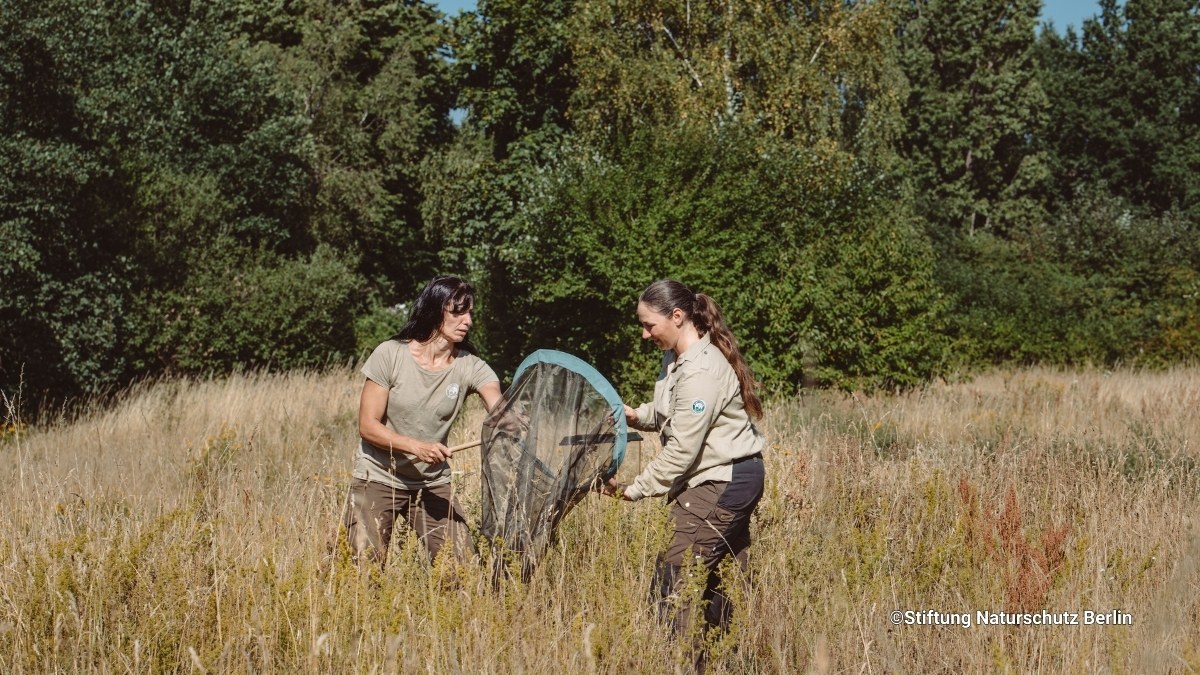
Their working environments couldn’t be more different: one works in the middle of a metropolis, the other on the coast of an island nation. However, both are committed to protecting nature from human overexploitation: By prosecuting wildlife crimes and rescuing wild animals after accidents, like Giorgos Christofi, ranger in Cyprus. Or by inventorying and communicating natural treasures to city dwellers, like ranger Meike Borchert in Germany’s capital, Berlin. Read our new ‘Two Rangers, Two Projects’ to find out how the two of them preserve and convey our natural heritage.

Meet 40 rangers in personal portraits!

Rangers in Europe – not rooted in public consciousness as on other continents, responsible for a huge variety of natural habitats and yet united in their goal with rangers from all over the world: Reconciling the protection of our natural heritage with human use. What drives the rangers of our continent on a very personal level? What motivates them to stand firm in the face of ever-growing challenges out in the field? And what experiences from ‘out there’ stick in their minds? Browse through our ranger portraits: Around 40 rangers from all corners of the continent have their say here – and many more will follow! 

Training & Internal

ERF Council – a wealth of experience


Together, they bring valuable years of experience to the ERF Board and, thankfully, continue to make this expertise available to the Board even after stepping down: many former Board members remain committed to the ERF as advisors.

You may have seen some of them at the European Ranger Congress, while others will introduce themselves here in the near future. In general, council membership is open to all former ERF board members – in a purely advisory but incredibly valuable role.

We would like to express our sincere thanks and look forward to completing the gallery soon!


How does conservation impact locals?


The EUROPARC Federation and the University of Warwick launched the SOCIAT Training Course. It is aimed at conservation practitioners such as rangers to help them assess social outcomes of nature protection and restoration projects and ensure that community voices are part of conservation decisions.

The course provides
  • step-by-step guidance on the application process
  • explanations of the indicators
  • standards for analysing the collected social data.
All lessons and quizzes of this online self-paced course are in English.

Register here


Stay up to date on news from European rangers

This newsletter didn't reach you directly by mail? Register now to be informed conveniently in time about news, trainings, interviews and reports for and about Europe's rangers – and share the registration link with your fellow rangers.


editorial work for this
content supported by